Find your nearest Buffalo Ophthalmology location.
Retina Specialist in Williamsville & Orchard Park, NY

Our Locations
Schedule Appointment
Schedule your appointment with one of our specialists.
Our Eye Doctors

What is Retinal Disease?
The retina is the light-sensitive tissue at the back of the eye. It converts light into signals that travel to the brain, allowing you to see.
Damage or disease affecting the retina can interfere with central or peripheral vision, depending on the condition and the area involved. Some retinal conditions develop gradually, while others can cause sudden changes that need prompt evaluation.
Common retinal conditions may include:
- Age-related macular degeneration (AMD)
- Diabetic retinopathy
- Retinitis pigmentosa
- Epiretinal membranes
- Retinal tears and injuries
Buffalo Ophthalmology offers regular monitoring, which can be especially important for patients with diabetes, age-related changes, a family history of retinal disease, or an existing retinal diagnosis.
Age-Related Macular Degeneration (AMD)
Age-related macular degeneration, or AMD, affects the macula, the part of the retina responsible for sharp central vision. AMD becomes more common with age and can make activities such as reading, driving, and recognizing faces more difficult.
AMD is generally described as dry or wet:
- Dry AMD is the more common form and involves gradual changes to the macula over time.
- Wet AMD develops when abnormal blood vessels grow beneath the retina and leak fluid or blood, which can cause more rapid changes in central vision.
Treatment and monitoring depend on the type and stage of AMD. For wet AMD, treatments such as anti-VEGF injections can help slow or stop further vision loss in many patients.
Diabetic Retinopathy
Diabetic retinopathy occurs when diabetes damages small blood vessels in the retina. These vessels may leak fluid or blood, become blocked, or lead to the growth of abnormal new vessels.
Early diabetic retinopathy may cause few or no noticeable symptoms. As the condition progresses, patients may develop blurred vision, floaters, macular swelling, bleeding inside the eye, or other vision changes.
Care may include regular retinal monitoring, coordination with your healthcare team, injections, laser treatment, or surgery depending on the severity of the condition.
Retinal Disease Treatment in Western New York
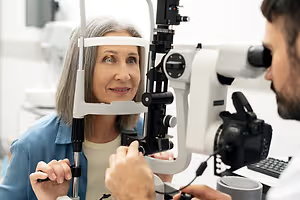
Treatment depends on the retinal condition, its severity, and its impact on your vision. Buffalo Ophthalmology uses detailed retinal imaging and clinical evaluation to determine which treatment or monitoring approach may be appropriate.
Treatment options may include:
AREDS Supplements
For certain patients with intermediate AMD or advanced AMD in one eye, AREDS2 supplements may help reduce the risk of progression to more advanced disease.
AREDS2 is not recommended for every patient and does not prevent AMD from developing. Our eye doctor can determine whether these supplements are appropriate based on your retinal examination and the stage of your AMD.
Anti-VEGF Injections
Anti-VEGF medications block a protein that contributes to abnormal blood vessel growth and leakage in the retina.
These injections are commonly used for conditions such as wet AMD, diabetic macular edema, and macular edema related to retinal vein occlusion. The medication and treatment schedule depend on your diagnosis and how your retina responds over time.
.
Retinal Laser Eye Surgeries
Retinal laser treatment may be recommended for certain retinal conditions, including some retinal tears, proliferative diabetic retinopathy, and retinal vascular problems.
The laser creates controlled treatment areas in the retina to help reduce specific risks, such as bleeding or retinal detachment. Whether laser treatment is appropriate depends on your diagnosis and examination findings.
Experienced Retina Care in Williamsville & Orchard Park, NY
Our retina team provides evaluation and treatment for age-related macular degeneration, diabetic retinopathy, retinal vascular disease, retinal tears, and other complex retinal conditions.
The team is led by two of the region’s most trusted retina specialists:
-
Ausra Selvadurai, M.D., trained at Bascom Palmer Eye Institute, the nation’s top-ranked eye hospital, and is widely recognized as Western New York’s leading expert in retinal disease and uveitis. She provides modern treatments, including intravitreal injections, laser therapy, and high-resolution imaging, combining exceptional diagnostic skill with a compassionate, patient-focused approach.
-
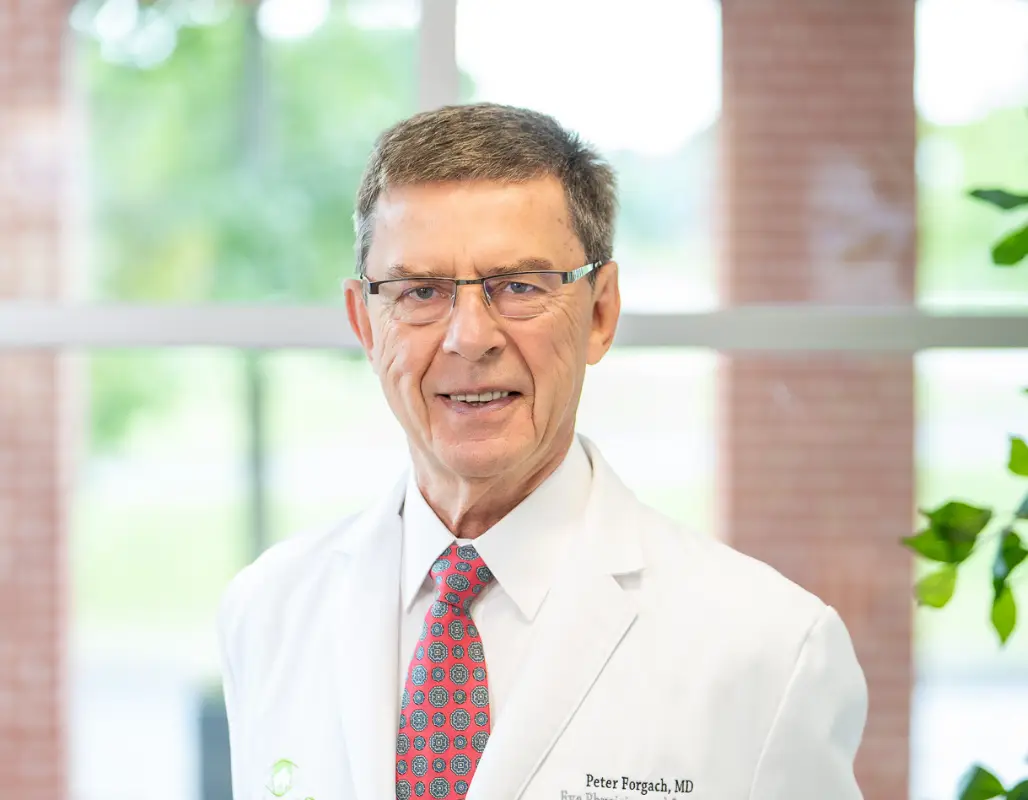
Dr. Peter Forgach, M.D., brings decades of surgical and clinical experience to the retina team, with expertise in managing advanced diabetic eye disease and macular degeneration.

Protect Your Vision With Ongoing Retina Care in Western New York
If you’ve been diagnosed with a retinal condition or are at risk due to diabetes, age, or family history, early intervention can make all the difference. Schedule your appointment with Buffalo Ophthalmology and take the next step toward preserving your sight.