
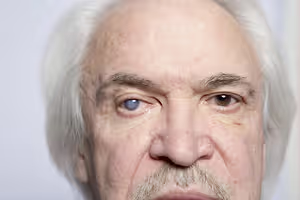
Cloudy Vision After Cataract Surgery: What to Expect
Many patients expect clear vision immediately after cataract surgery. If your vision seems cloudy after surgery, there is often a normal explanation. Knowing what to expect can make recovery feel much less stressful.
At Buffalo Ophthalmology, we help patients throughout Williamsville and New York understand what recovery looks like and when a follow-up visit may be necessary.
Why is my vision cloudy after cataract surgery
During cataract surgery, our surgeons remove the eye's cloudy natural lens and replace it with a clear artificial lens called an intraocular lens, or IOL. Although the procedure itself is quick, the eye still needs time to recover from surgery and adapt to the new lens.
Cloudy or blurry vision is often related to normal healing. Mild inflammation, temporary swelling, and changes to the eye's surface can all affect visual clarity during the first days and weeks after surgery.
Factors That Can Contribute to Cloudy Vision After Cataract Surgery
Several factors can affect how quickly vision clears after surgery. Some are expected parts of recovery, while others may require closer monitoring by our eye doctors.
1. Mild Post-Surgical Swelling
A small amount of swelling inside the eye is common after cataract surgery. As the tissues heal, vision may appear hazy or slightly blurred. For most patients, this improves steadily over the first few days or weeks.
2. Dry Eye Symptoms
Dry eye disease often becomes more noticeable after cataract surgery. An unstable tear film can cause vision to fluctuate throughout the day, with periods of blur, irritation, or a sensation of looking through a thin film. Seasonal weather changes in Western New York can sometimes make dry eye symptoms more noticeable during recovery.
3. Adjustment to a New Intraocular Lens
A new lens changes the way light enters the eye. While the lens begins working immediately, the brain may need time to adapt to changes in brightness, contrast, and focus. This adjustment period varies from person to person.
4. Pre-Existing Eye Conditions
Patients with glaucoma, macular degeneration, diabetic eye disease, or corneal conditions may experience a longer recovery timeline. These conditions can influence visual quality even when cataract surgery is successful.
5. Corneal Surface Changes
The cornea is the clear front window of the eye. Temporary changes to the corneal surface during healing can affect how light enters the eye, leading to short-term blur or haziness.
6. Posterior Capsule Opacification
Some patients develop posterior capsule opacification (PCO), a common condition that can make vision appear cloudy months or even years after cataract surgery. Although people sometimes refer to this as a "secondary cataract," the original cataract does not return. PCO can often be treated with a quick in-office laser procedure.
How Long Does Cloudy Vision Last After Cataract Surgery?
Recovery varies from patient to patient. Some people notice clearer vision within a day, while others continue to see gradual improvements over several weeks. Typical recovery milestones include:
- Mild blurry or cloudy vision during the first few days
- Steady improvement during the first one to two weeks
- Reduced glare and light sensitivity as healing progresses
- Continued visual stabilization over the first month
- Longer recovery periods for patients with other eye conditions
Our eye doctors closely monitor recovery during follow-up visits to ensure healing remains on track and visual outcomes continue to improve.
What Normal Cataract Surgery Results Look Like
Many patients notice brighter colors, improved contrast, and sharper vision after cataract surgery. Activities such as reading, driving, watching television, and recognizing faces often become easier as healing progresses.
It is also normal for vision to fluctuate slightly during recovery. Some days may feel clearer than others, especially if dry eye symptoms are present. As long as vision continues to improve and no concerning symptoms develop, these temporary changes are often part of the healing process.
When to See Our Eye Doctors for Complications After Cataract Surgery
While most cataract surgery recoveries are smooth, some symptoms deserve prompt attention. Contact our office if you experience:
- Sudden vision loss
- Severe eye pain
- Increasing redness
- New flashes of light
- A large increase in floaters
- A curtain-like shadow in your vision
- Persistent nausea or vomiting accompanied by eye pain
- Significant worsening of blurry or cloudy vision
- Symptoms that do not improve as expected
Prompt evaluation allows our team to identify and address potential complications as quickly as possible.
Get Clearer Vision With Trusted Cataract Care in Williamsville
Cloudy vision after cataract surgery can be frustrating, but it is often a normal part of recovery. Understanding what symptoms are expected and knowing when to contact our office can help you feel more confident throughout the healing process.
At Buffalo Ophthalmology, our experienced ophthalmologists provide comprehensive cataract care before, during, and after surgery. Whether you have questions about your recovery or are considering cataract surgery for the first time, our team is here to help you protect and preserve your vision. Contact us to request your appointment.
Cataract Surgery FAQs
Can dry eye cause blurry vision after cataract surgery?
- Yes. Dry eye is one of the most common reasons for temporary blurry vision after cataract surgery. Treating dryness often improves visual clarity and comfort.
Can cataracts come back after surgery?
- No. Once a cataract is removed, it cannot return. However, some patients develop posterior capsule opacification, which can cause symptoms similar to a cataract and is often treated with a simple laser procedure.